125th St Locksmith Service Team
Local locksmith team
Jun 10, 2026 12 min read
If you live in a Harlem walk-up or a newer apartment building near 125th Street, you have probably stood in front of your door and wondered whether the lock you have is actually doing its job. A door knob lock feels familiar and easy to use, but is it enough? A deadbolt adds a visible layer of security, but do you even need one if your building already has a mortise lock installed by your landlord? These are practical questions with real answers — and getting them right can mean the difference between a secure home and an easy target.
This guide breaks down the honest differences between door knob locks and deadbolts, explains what NYC apartment doors typically require, and helps you understand when a mortise lock is the better choice entirely. Whether you are moving into a new place in East Harlem, upgrading security in a pre-war building on Lenox Avenue, or just trying to understand what your door actually has on it, this is the information you need before spending a dollar or making a call.
## What a Door Knob Lock Actually Does — and Where It Falls Short
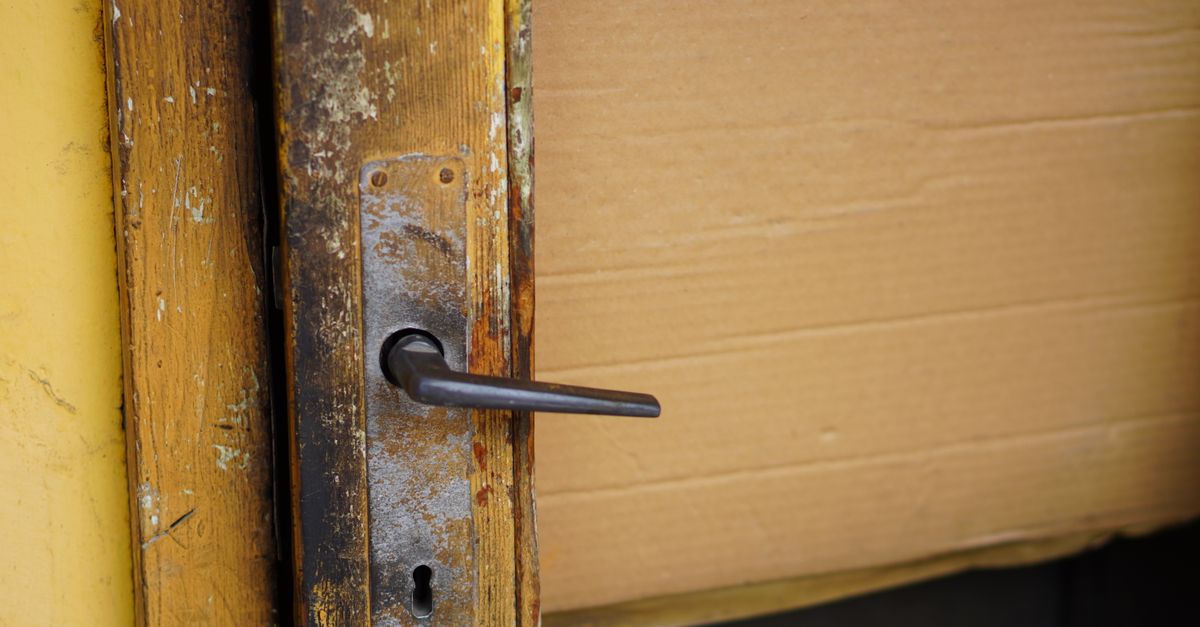
A door knob lock, sometimes called a knob lock, is the most common type of residential lock in the United States. The locking mechanism lives inside the knob itself, and you engage it either by pushing a button on the interior knob or by turning a small thumb-turn. From the outside, a key retracts the latch and lets you in. Simple, inexpensive, and widely available — a door knob with lock and key setup is what most people picture when they think of a front door. The problem is that simplicity cuts both ways. The cylindrical mechanism inside a standard knob lock is relatively narrow and sits exposed on the knob, which means it is vulnerable to physical force. A firm kick near the knob can shear the lock from the door, and the latch bolt — that angled, spring-loaded piece — does not resist lateral force the way a dead latch or a deadbolt does. For an interior door like a bedroom, a door knob with lock for bedroom use is perfectly reasonable. For a New York City front door, it should almost never be your only line of defense.
It is also worth addressing something people search for often: how to pick a door knob lock, or how to pick a lock door knob. We will not walk through those techniques here, and for good reason — that knowledge belongs in the hands of trained professionals, not on a general-use blog. What we will say is this: standard pin tumbler knob locks are among the easier lock types to bypass for someone with the right tools and training. That fact alone is a strong argument for not relying on one as your primary security on an exterior door. If you are locked out, the right move is to check for a spare key, contact your building super, or call a professional locksmith who can verify your identity and help you get back in safely and legally.
## How a Deadbolt Compares — and Why Most NYC Codes Point This Direction
A deadbolt works on a completely different principle. Instead of a spring-loaded latch, it uses a solid steel bolt that moves horizontally into a reinforced strike plate in the door frame. There is no spring — you have to actively turn the key or thumb-turn to move it, which means it cannot be pushed back with a credit card or shimmed open. A single-cylinder deadbolt (keyed on the outside, thumb-turn on the inside) is the most practical option for most apartment doors. A double-cylinder deadbolt requires a key on both sides, which raises safety concerns in an emergency exit situation and is generally not recommended for residential use without careful thought. New York City's Administrative Code, specifically Multiple Dwelling Law requirements, actually mandates that most residential apartment doors in buildings with three or more units include a deadbolt-style lock. This is not a suggestion — it is a legal baseline that landlords are required to meet. If your apartment door only has a door knob lock and no deadbolt, your landlord may actually be out of compliance.
That said, deadbolts vary enormously in quality. A Grade 1 ANSI-rated deadbolt with a reinforced strike plate and three-inch screws anchored into the door frame stud is a genuinely effective barrier. A builder-grade deadbolt installed with the original short screws into a hollow door frame is barely better than nothing. Installation quality matters as much as the lock itself — which is exactly why having an experienced locksmith handle the job is worth every bit of the investment. Our team at 125th St Locksmith installs and upgrades deadbolts throughout Harlem every day, and we always assess the full door and frame condition before recommending a solution.
## The Mortise Lock: Why It Dominates NYC Apartment Doors and Commercial Locksmith Work
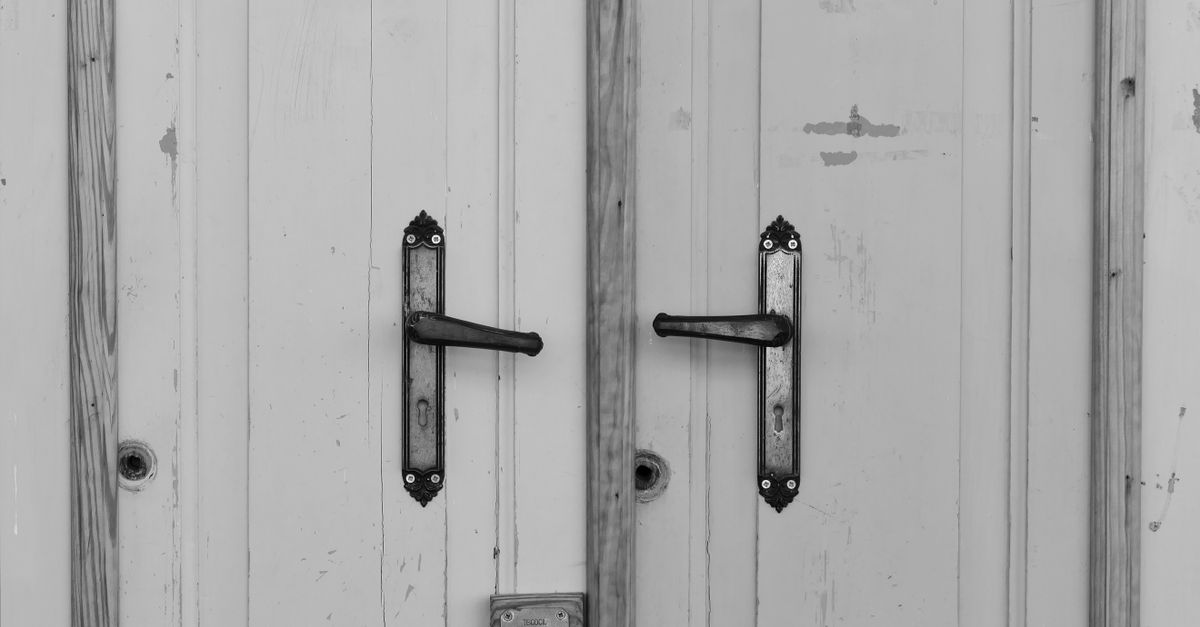
Walk through almost any pre-war building in Harlem — the kind with ornate lobby tilework, freight elevators, and six-panel wooden doors — and you are very likely to find a mortise lock rather than a standard knob lock or deadbolt. A mortise lock is a multi-function lock body that sits inside a rectangular pocket (the mortise) cut into the edge of the door. It typically combines a spring latch and a deadbolt into a single integrated unit, operated by a lever or knob on one side and a keyed cylinder on the other. Because the lock body is embedded deep inside the door rather than surface-mounted, it resists both kick-in and wrench attacks far more effectively than a cylindrical knob lock. Mortise locks are also the standard for commercial locksmith applications — office suites, retail storefronts, and multi-tenant buildings throughout Harlem and upper Manhattan rely on them for exactly that reason.
For our team, mortise lock service is one of the most requested jobs we handle. That includes mortise lock installation in older doors where a deadbolt retrofit would require significant carpentry, mortise lock repair when the internal mechanism wears out or the cylinder is damaged, and mortise lock cylinder replacement when a tenant moves out or a key is lost. If you are not sure what type of lock is on your door, a quick look at the edge of the door tells you a lot: a mortise lock will have a tall, rectangular faceplate; a deadbolt will have a smaller, rectangular faceplate with just a bolt; and a knob lock will show only the latch faceplate with a rounded or angled bolt. Knowing which you have is the first step toward knowing whether your door is actually secure. If you are unsure or want a professional assessment, call us at 646-904-8089 — we are available around the clock.
## Emergency Locksmith Response in Harlem — and What Determines the Cost
Getting locked out of your apartment on a Tuesday afternoon is stressful. Getting locked out at 2 a.m. on a Saturday after a long shift at work is a different kind of stressful entirely. As a 24/7 mobile locksmith serving the Harlem area, we respond to emergency locksmith calls at all hours, including nights, weekends, and holidays. The question we hear most often in these moments — right after 'how fast can you get here?' — is some version of: how much does a local locksmith charge, or how much should a locksmith cost in NYC, or how much does an emergency locksmith cost near me? These are completely fair questions, and we believe in answering them honestly.
The factors that determine your final quote include the type of lock on your door (a basic knob lock cylinder is a different job from a mortise lock with a damaged cam), the time of day the call comes in, how far our nearest technician is from your location, and whether any parts need to be replaced versus simply manipulated. How much should an emergency locksmith cost? Enough to reflect skilled labor, specialized tools, and a fast response — but never a number that catches you off guard. We confirm an exact price before any work begins, so you always know what you are agreeing to. No surprises, no hidden fees after the job is done. We serve the full stretch of Harlem — from 96th Street up to 155th, from Riverside Drive across to the Harlem River — and we know these streets, buildings, and lock types well.
## What Harlem Apartments Actually Need: A Practical Recommendation
Here is the honest answer most people are looking for: if you live in a Harlem apartment and your front door has only a door knob lock, you need at minimum a deadbolt added alongside it, and ideally you should find out whether your door is configured for a mortise lock upgrade. If you live in a pre-war building and your door already has a mortise lock, the priority is making sure the cylinder is current — meaning no one who previously had a key to that apartment still has access — and that the door frame itself is solid. A mortise lock on a rotting frame is no safer than a padlock on a chain-link fence. For bedroom doors or interior room doors within your apartment, a door knob with lock is entirely appropriate and does the job well. The security priority is the front door, and that is where the investment belongs.
One practical note for renters specifically: in New York City, you have the right to request a lock change when you move in, and your landlord is generally required to provide it under Multiple Dwelling Law. That does not mean every landlord does it without being asked. Knowing your rights and having a qualified locksmith available to document and perform the work puts you in a much stronger position. Our team works with both renters and building owners throughout Harlem, handling everything from single-apartment lock changes to full building rekeying projects for property managers. Whether you need a one-time lock change or ongoing support for a multi-unit property, we bring the same level of attention and care to every job. Reach out to us directly at 646-904-8089 — we answer every call, 24 hours a day, seven days a week.
## Our Locksmith Services: More Than Just Lockouts
125th St Locksmith is a fully mobile, insured locksmith operation based in Harlem, NY. We do not operate out of a kiosk or a key-cutting machine — every job is handled by a trained technician who arrives at your location, assesses the situation, and performs the work properly. Our services include: residential lockout assistance, commercial lockout response, automotive lockout service, mortise lock installation and repair, deadbolt installation and upgrade, door knob lock replacement, high-security cylinder installation, master key system design, building rekey for property managers, lock change after a move-in or lease transfer, broken key extraction from knob locks and mortise locks, door frame and strike plate reinforcement, mailbox lock replacement, gate lock installation, padlock service, smart lock installation and troubleshooting, key duplication for standard and restricted keyways, car key cutting and programming, transponder key service, key fob replacement and programming, ignition lock cylinder repair, safe lockout assistance, access control hardware installation, intercom-integrated lock service, and security consultations for residential and commercial properties. We bring the tools and parts needed for most jobs directly to your door, so there is no waiting for a separate appointment or a parts order in most cases. If you are evaluating why to choose a Harlem locksmith who knows the neighborhood versus a general dispatch service with no local knowledge, the answer is simple: we know the difference between a Harlem pre-war mortise lock setup and a newer construction deadbolt installation, and that knowledge speeds up the job and gets it done right the first time.
Frequently asked questions
Is a door knob lock enough security for my NYC apartment front door?+
No, not on its own. A standard door knob lock is appropriate for interior doors like bedrooms, but for a front door in New York City it should always be paired with a deadbolt at minimum. NYC's Multiple Dwelling Law requires deadbolt-style locks on most apartment entry doors in buildings with three or more units. Many pre-war buildings in Harlem use mortise locks, which offer even stronger protection by embedding the full lock mechanism inside the door itself. If your front door only has a knob lock, that is worth addressing sooner rather than later.
How much does an emergency locksmith cost in NYC, and does the time of day matter?+
The cost of an emergency locksmith call in NYC depends on several factors: the type of lock involved (a mortise lock repair is a more involved job than a simple knob lock open), the time of day, how far the technician needs to travel to reach you, and whether any parts need to be replaced. Late-night and weekend calls typically reflect the higher cost of after-hours response. At 125th St Locksmith, we always confirm your exact price upfront before any work begins — you will never be surprised by the final number. Call 646-904-8089 any time for a straight answer.
Does New York require locksmiths to be licensed?+
Yes. New York State requires locksmiths to be licensed through the state's licensing system, and New York City has its own additional licensing requirements for locksmith businesses operating within the five boroughs. This matters because it separates trained, accountable professionals from unlicensed operators who may lack the skills, insurance, or legal standing to work on your locks. When you call 125th St Locksmith, you are working with an experienced, insured team that operates fully within New York State and NYC requirements.
Is Harlem a safe neighborhood, and does it affect what kind of locks I should have?+
Harlem has seen significant investment and development over the past two decades, and neighborhoods like Central Harlem, East Harlem, and Hamilton Heights each have their own character and security considerations. Like any dense urban area in New York City, the quality of your door hardware matters regardless of which block you are on. Pre-war buildings with original door frames and aging lock hardware are common throughout Harlem, and a worn or outdated mortise lock or a misaligned deadbolt can compromise security even in a well-maintained building. A lock assessment from a local, experienced technician is always a smart step when you move into a new place or notice your door is not closing and latching the way it should.