125th St Locksmith Service Team
Local locksmith team
Apr 29, 2026 10 min read
If you run a storefront, office, or studio on or near 125th Street, you already know that Harlem's commercial corridor moves fast — foot traffic is heavy from early morning to well past midnight, and the neighborhood's growth has brought both opportunity and new security challenges. A solid lock setup isn't just about keeping intruders out; it's about making sure the right people get in easily, the wrong people can't, and that you're never stuck scrambling at 2 a.m. because a key broke off in a mortise lock.
This checklist is built specifically for Harlem business owners — the kind of practical, no-fluff guidance you can actually act on. Whether you're managing a boutique near the Apollo Theater, a medical office a block off Lenox Avenue, or a co-working space on Frederick Douglass Boulevard, the vulnerabilities are real and the fixes are straightforward. 125th St Locksmith is a 24/7 mobile team serving businesses across Harlem, and we've put together this guide based on what we actually see when we show up to commercial calls.
## The Mortise Lock: The Commercial Standard Your Storefront Probably Needs
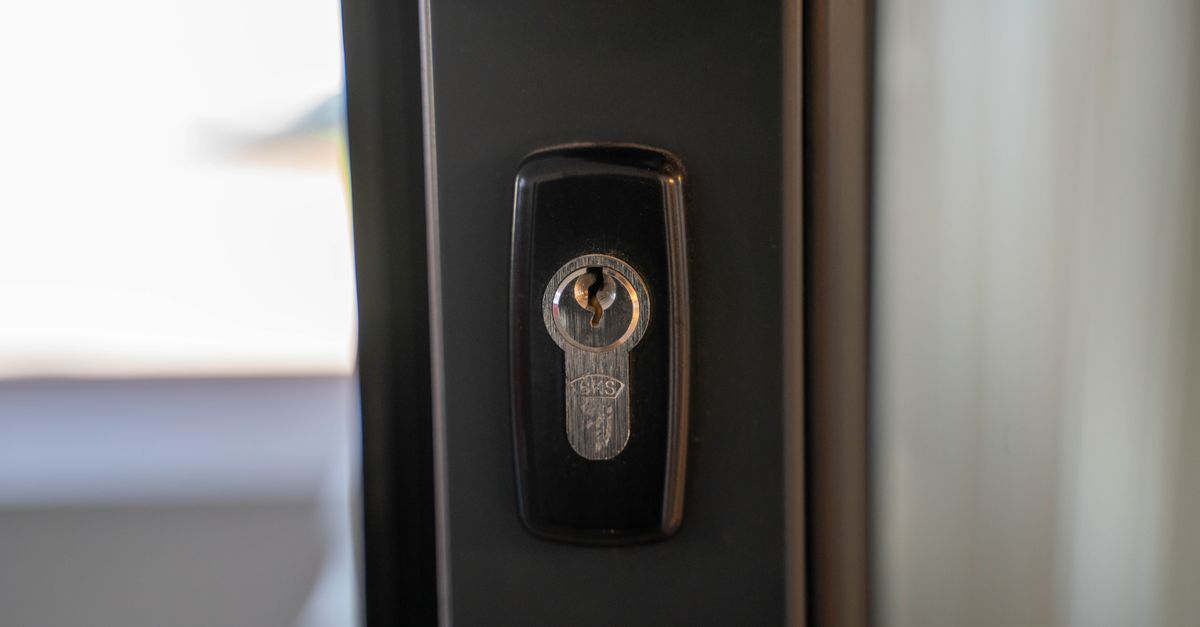
The single most important upgrade most Harlem storefronts can make is switching from a basic cylindrical door knob lock to a mortise lock. A mortise lock is set directly into a pocket — the mortise — cut into the door itself, making the entire locking mechanism part of the door's structure rather than bolted onto the surface. The result is dramatically better resistance to kick-in attacks, prying, and forcible rotation. On 125th Street, where commercial doors take a beating from high daily use alone, a mortise lock simply holds up better over time. Look for a mortise lock rated ANSI Grade 1, which is the top commercial standard, and pair it with a hardened steel strike plate anchored with 3-inch screws that reach the door frame's stud — not just the thin wood casing.
Common door knob lock setups, by contrast, rely on a small cylindrical mechanism that can be defeated with much less effort. If your front door still has a door knob lock as its primary security, that's the first item to address. Our team installs and re-keys mortise locks for storefronts, offices, medical suites, and multi-tenant buildings throughout Harlem. If you're unsure what type of lock is currently on your door, a quick call to 646-904-8089 gets a trained technician to your location — we'll assess the hardware and walk you through options before any work begins.
## Panic Bars, Access Fobs, and the Full Commercial Locksmith Checklist
Beyond the mortise lock on your front entry, a complete commercial security setup involves several layers that work together. Here is what our commercial locksmith team checks and recommends for Harlem businesses: (1) Panic bars / exit devices on rear and emergency doors — required by fire code for occupancies above a certain threshold, and critical for staff safety; (2) Electromagnetic locks (maglocks) on controlled-access interior doors; (3) Key fob and proximity card access systems, which let you grant and revoke access without rekeying physical locks every time an employee leaves; (4) Master key systems that let an owner or manager open every door in the building while restricting staff to only the areas they need; (5) High-security deadbolts with anti-pick, anti-drill, and anti-bump cylinders for back doors and storage rooms; (6) Door closers to ensure fire doors and access-controlled doors don't get propped open; (7) Mortise lock servicing and lubrication — these mechanisms have moving parts that need periodic maintenance, especially in a high-traffic environment; (8) Keypad and combination locks for cash drawers, server rooms, and supply closets; (9) Cabinet locks for file rooms holding sensitive client or financial records; (10) Window locks and sash locks for ground-floor retail; (11) Padlocks and hasp installations for roll-up gates and storage areas; (12) Mailbox lock replacement for multi-tenant office buildings; (13) Intercom and buzzer system lock integration; (14) Peephole and door viewer installations; (15) Door reinforcement kits — hinge shields, door jamb armor, and security bars; (16) Safe installation and combination changes for on-site cash or document storage; (17) Duplicate commercial keys cut to code for authorized personnel; (18) Rekeying after employee turnover — this is one of the most overlooked and most important steps; (19) Lock-out service for staff who are locked out of offices or secure areas; (20) Broken key extraction from mortise lock cylinders and deadbolts; (21) Storefront door lock repair after attempted break-ins; (22) Access control system audits to check who has active credentials; (23) Smart lock installation and programming for office suites; (24) Cylinder upgrades for existing mortise lock housings — you can keep the hardware and upgrade just the cylinder; (25) Emergency locksmith response for after-hours lockouts, lock failures, and security breaches.
That last point matters more than it might seem. A lock failure at 11 p.m. on a Tuesday — right when you're closing up and your cash register is still inside — is not a situation where you want to wait until morning. Our emergency locksmith team is mobile and available around the clock. We serve businesses from East Harlem to West Harlem, and we know the streets: if you're near the 125th Street subway station on the 4/5/6 line or up toward 145th, we can reach you without the delays you'd expect from a service traveling from outside the neighborhood.
## Master Key Systems and Access Fobs: Managing Who Gets In
One of the biggest security vulnerabilities for growing Harlem businesses isn't the lock on the front door — it's the lack of a coherent key management system behind it. When every employee has their own key and there's no master structure, you end up with uncontrolled copies floating around, no way to know who has access to what, and a rekeying bill every time someone quits or is terminated. A properly designed master key system solves this. A commercial locksmith sets up a hierarchy: grand master keys for ownership, master keys for managers, and individual change keys for staff, each restricted to specific doors. Every mortise lock and deadbolt in the building can be part of this system.
Electronic access fobs and proximity cards take this a step further. Instead of physical keys, staff tap a card or fob to enter. The system logs who accessed which door and when, you can deactivate a lost fob in seconds, and you never have to rekey a single lock when someone leaves. For offices in Harlem's growing tech and creative sectors — there are several co-working and studio buildings between Adam Clayton Powell Jr. Boulevard and Morningside Avenue — this kind of granular access control is increasingly standard. Our team programs, installs, and troubleshoots these systems and can integrate them with your existing mortise lock hardware in many cases. Call 646-904-8089 to talk through what your building layout requires — we'll give you a clear, up-front price before any work starts.
## Emergency Locksmith Response: What to Do When Something Goes Wrong After Hours
Emergencies don't follow business hours, and neither does 125th St Locksmith. Here's how to handle the most common after-hours scenarios without making the situation worse. If you arrive at your business and find a lock that won't turn, don't force it — a broken or jammed mortise lock mechanism can be repaired or the cylinder replaced, but forcing it often damages the door or the housing and turns a simple fix into a costly one. If you're locked out, check whether any secondary entrance — a rear door or interior stairwell door — is accessible to an authorized person on-site before assuming the worst. If there are signs of tampering or an attempted break-in, call 911 first, then call us. We'll document the damage, secure the entry point, and replace or upgrade the compromised hardware.
How much does an emergency locksmith cost near you, and how much should an emergency locksmith cost in general? These are fair questions, and the honest answer is that the final price depends on several factors: the type and brand of lock involved (a basic door knob lock costs less to address than a multi-point mortise lock system), the time of day, the travel distance to your location, and whether replacement parts are needed. How much does a local locksmith charge in NYC also varies based on the complexity of the job — a simple lockout is very different from a full mortise lock replacement with a new high-security cylinder. What we commit to is this: we confirm an exact price up front before any work begins, so there are no surprises on the invoice. How much should a locksmith cost in NYC is a question best answered with a direct conversation about your specific situation, not a generic number.
## Why Harlem Businesses Deserve a Locksmith Who Knows the Neighborhood
Is Harlem a good area in NYC? Absolutely — and it's changing rapidly. The stretch of 125th Street from the Hudson River to the Harlem River is one of the most active commercial corridors in upper Manhattan, with independent retailers, restaurants, healthcare providers, creative studios, and national chains all operating side by side. That energy is genuinely exciting, but it also means businesses are investing more in their spaces and carrying more inventory, equipment, and sensitive data than ever before. The security infrastructure needs to match that investment.
Does NY require a locksmith license? New York State does not currently have a statewide locksmith licensing law, which means the bar to calling yourself a locksmith is technically low. That's exactly why it matters to work with an experienced, insured team that has a real track record in commercial work — not just residential lockouts. Our technicians are trained on the full range of commercial hardware, from panic bar installation to mortise lock cylinder replacement to electronic access control. We work across Harlem's mix of older pre-war building stock (which often has legacy mortise lock hardware already installed, just in need of servicing or cylinder upgrades) and newer commercial buildouts where access control systems are being installed from scratch. If you want a team that treats your business's security as seriously as you do, we're available right now. Call 646-904-8089 — we answer 24/7, and we'll come to you.
Frequently asked questions
How much does a local locksmith charge for commercial work in NYC?+
The cost depends on several factors: the type of lock or system involved (a mortise lock job differs significantly from a simple door knob lock replacement), the time of day, your location within the service area, and whether new parts or hardware are needed. Rather than quoting a generic range, we assess the job and give you an exact, confirmed price before any work begins. There are no surprise charges after the fact.
How much should an emergency locksmith cost for an after-hours call?+
After-hours emergency locksmith calls typically factor in time of day, the complexity of the lock involved, travel distance, and whether parts need to be sourced. A lockout from a standard door is different from a failed mortise lock mechanism or a damaged panic bar that needs immediate replacement. We are transparent about pricing: you get a firm quote before we start, regardless of when you call.
Does New York require a locksmith license?+
New York State does not currently mandate a statewide locksmith license, meaning there is no single certification all locksmiths must hold. This makes it especially important to choose an insured, experienced team with a verifiable presence in the community. Our technicians are trained on commercial and residential hardware and we carry insurance — ask us about our qualifications when you call.
What is the most important lock upgrade for a Harlem storefront?+
For most storefronts on or near 125th Street, the highest-impact upgrade is replacing a surface-mounted door knob lock with a properly installed, ANSI Grade 1 mortise lock paired with a reinforced strike plate. This addresses the most common forced-entry vulnerabilities in one step. From there, a master key system or electronic fob access, combined with a rear-door panic bar if required by occupancy, gives you a layered commercial security setup that's practical to manage day to day.